
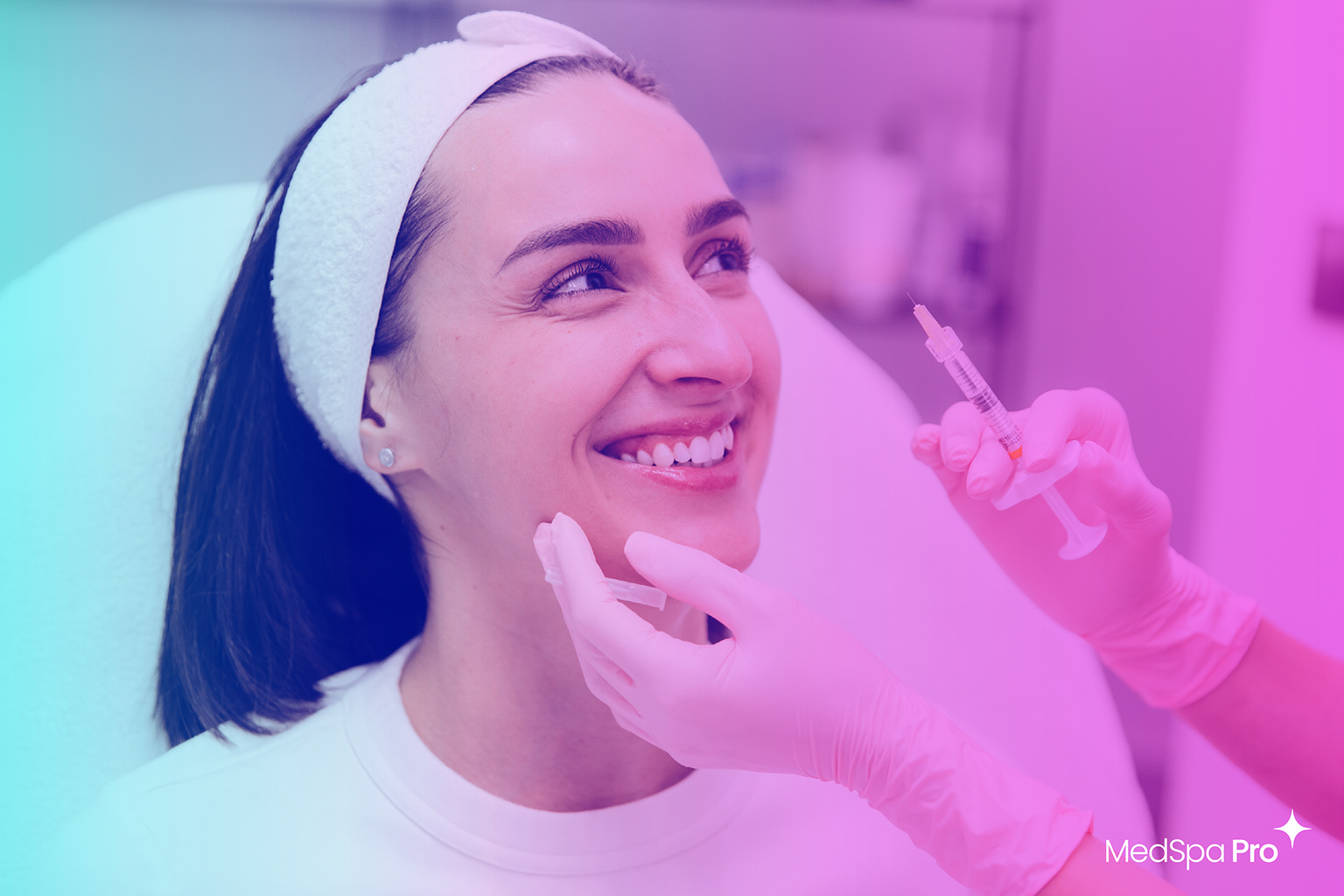
As the medical aesthetics industry continues to evolve, new opportunities arise for clinicians to elevate their practice and expand their patient base. When that expansion is built on a foundation of thoughtful, holistic, patient-centered care — one that prioritizes ethical standards, professional integrity, patient safety, education, and clear communication — a practice is well positioned for long-term success.
Balancing ethics, aesthetics, and patient expectations has always been a crucial aspect of aesthetic medicine. Practitioners are entrusted with providing safe, responsible, and ethical care, guided by principles that have shaped healthcare for decades. According to Dermatology Times, the core ethical commitments established in the 1980s include:
While these core principles remain foundational, today’s aesthetic landscape includes challenges that did not exist 40 years ago. The elective nature of many aesthetics procedures — often centered on enhancing or altering a patient’s appearance based on personal desires — can sometimes clash with ethical standards, especially when patients’ expectations are influenced by unattainable external influences.
The widespread availability of online content has added to ethical complications, as patients are flooded with dubious information and bombarded with unrealistic aesthetic standards. In a thoughtful aesthetics practice, clinicians must be prepared to educate patients and modify expectations while offering the highest quality care possible.
Aesthetic medicine requires balancing ethical standards with patient expectations, which are often influenced by social media and unrealistic ideals.
Core ethical principles include respect for autonomy, beneficence, nonmaleficence, justice, and equality, guiding practitioners in aesthetic medicine.
Today’s patients are increasingly moving away from radical change and thinking more intentionally about skin health, opting for natural-looking results, subtle refreshment, and long-term maintenance solutions. That same reflective mindset seems to be reshaping the way thoughtful med spa practices operate — placing ethical standards, professional integrity, and flawless patient communication at the center of care, while integrating patient education and evidence-based treatments into personalized treatment plans.
Clinical Excellence: Ensuring high standards of care and expertise across all aesthetic procedures.
Professional Responsibility: Taking accountability for decisions and actions, ensuring that ethical standards are upheld throughout the patient journey.
Innovative Mastery: Continuously learning and adapting to new techniques and technologies in aesthetic practices while applying innovation responsibly and within appropriate clinical boundaries.
Patient Safety: Prioritizing the safety and well-being of patients by ensuring that treatments are assessed for suitability and risk.
What does a thoughtful aesthetics practice look like? At the recent American Society of Dermatological Surgery (ASDS) virtual meeting, practice management experts Sarah Nielson, CPC, CPPM, and June McKernan, recommended starting with a team that shares the vision, values, and mission of the practice, and viewing the practice through the patient’s perspective.
Building a thoughtful aesthetics practice starts with a strong sense of ethical clarity and a dedication to patient-centered care. Practitioners can deliver that care by providing services that integrate best practices and new technology in a holistic way, communicating clearly, and maintaining professional integrity. In an increasingly competitive landscape, thoughtful care remains one of the strongest differentiators a practice can offer.
Sources: