
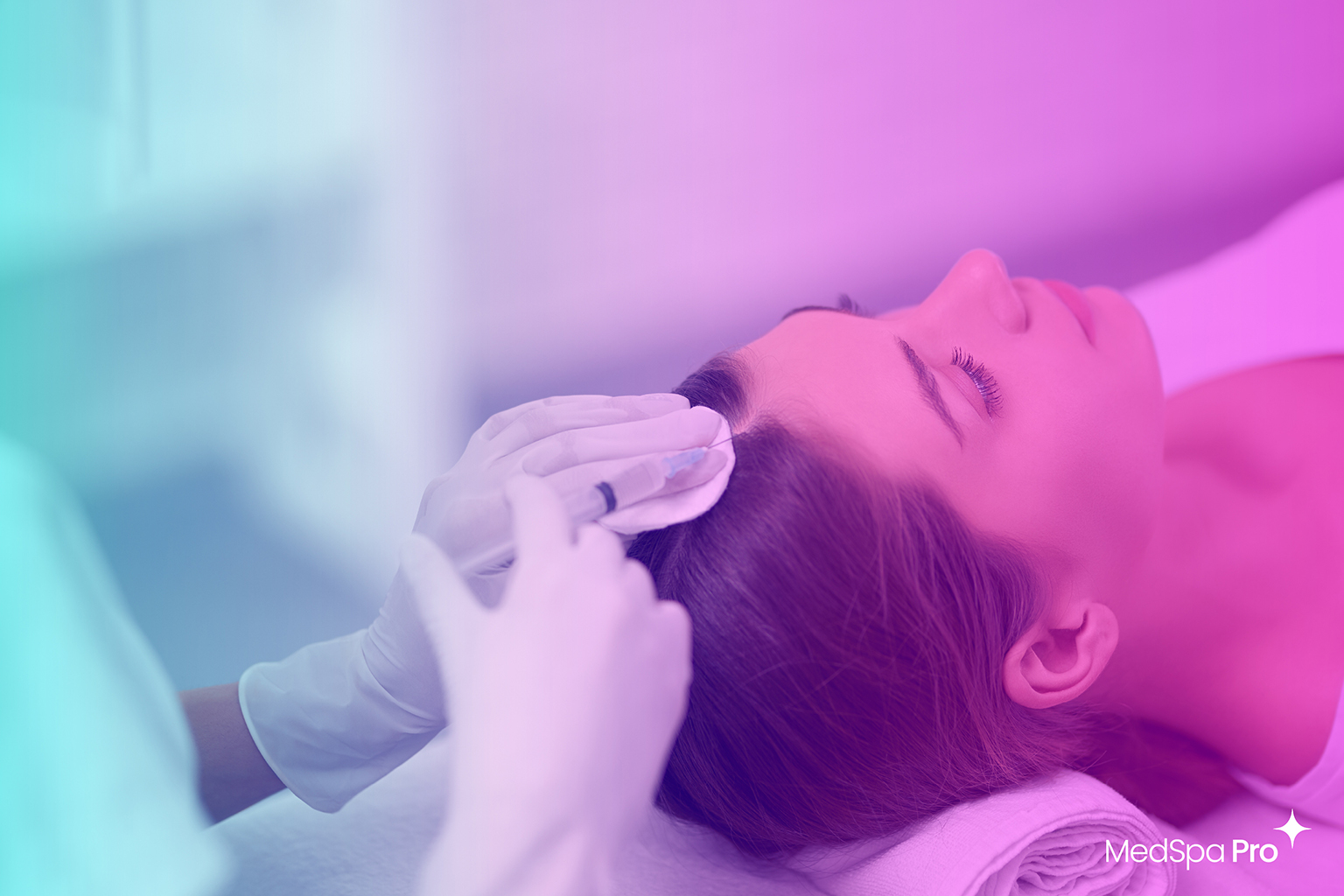
The aesthetic landscape is expanding at a rapid pace, with technological advances driving new non-invasive therapies and holistic treatments for healthy, glowing, rejuvenated skin. As skincare breakthroughs continue to evolve, aesthetic professionals and their patients are also turning to technology for breakthroughs in hair restoration — and finding them.
Interest in hair restoration is grounded in real demand. Approximately 35 million men and 21 million women experienced some form of hair thinning or baldness in 2025. As the population ages, the trend toward hair restoration continues to shape the med spa experience, and the industry is experiencing dynamic growth.
Driven by technological advancements and increasing consumer awareness, the hair restoration category is attracting a larger patient base each year — presenting a meaningful opportunity for med spas.
Rapidly advancing medical technology has contributed to the growth of non-surgical aesthetic treatments over the past decade, with non-invasive and minimally invasive therapies emerging as viable alternatives to certain surgical procedures.
This shift extends into hair restoration, where non-surgical options include platelet rich plasma (PRP) therapy, polydioxanone (PDO) threads, stem cell micrografting, low-level laser therapy (LLLT), corticosteroid injections, and newer topical compounds. Trichology, an emerging specialty, combines hair science with pharmaceuticals, injectables, topicals, laser therapy, oral supplements, and other non-surgical procedures.
These treatments are particularly appealing to patients who are not ideal candidates for hair transplants, including women, men under 25, and those with limited donor tissue. However, efficacy often depends on the underlying cause of hair loss, which can range from genetic factors to conditions such as diabetes, hormonal changes, or central centrifugal cicatricial alopecia (CCCA), a common form of hair loss among black women.
In March of 2026, the U.S. FDA accepted an Investigational New Drug (IND) application for Xvie, an injectable regenerative therapy under development for androgenetic alopecia. This amniotic fluid–derived treatment contains a combination of bioactive components, including growth factors, peptides, extracellular vesicles, lipids, electrolytes, and naturally occurring hyaluronic acid. A topical version already exists, and developers describe it as “100% natural,” without added preservatives, antibiotics, or fragrance.
As new therapies emerge, patient education and clear communication remain essential. Furthermore, clinicians are encouraged to incorporate holistic treatment techniques into the treatment of patients with hair loss.
Successful hair restoration begins with proper patient selection and individualized treatment planning. A thorough consultation and physical examination can identify suitable candidates and establish whether hair loss is indicative of a condition that may need further testing or treatment.
Assessments should be followed by a detailed long-term treatment plan that aligns patient's goals with realistic outcomes, along with counseling on procedures, risks, and expectations.
Before offering hair restoration services, med spas should ensure they are fully prepared and compliant.
For med spas, adding hair restoration services can be both a valuable and profitable expansion. With careful planning, proper training, and a strong emphasis on patient education and communication, these advanced therapies can enhance outcomes, meet growing demand, and support long-term practice growth.
Sources: