
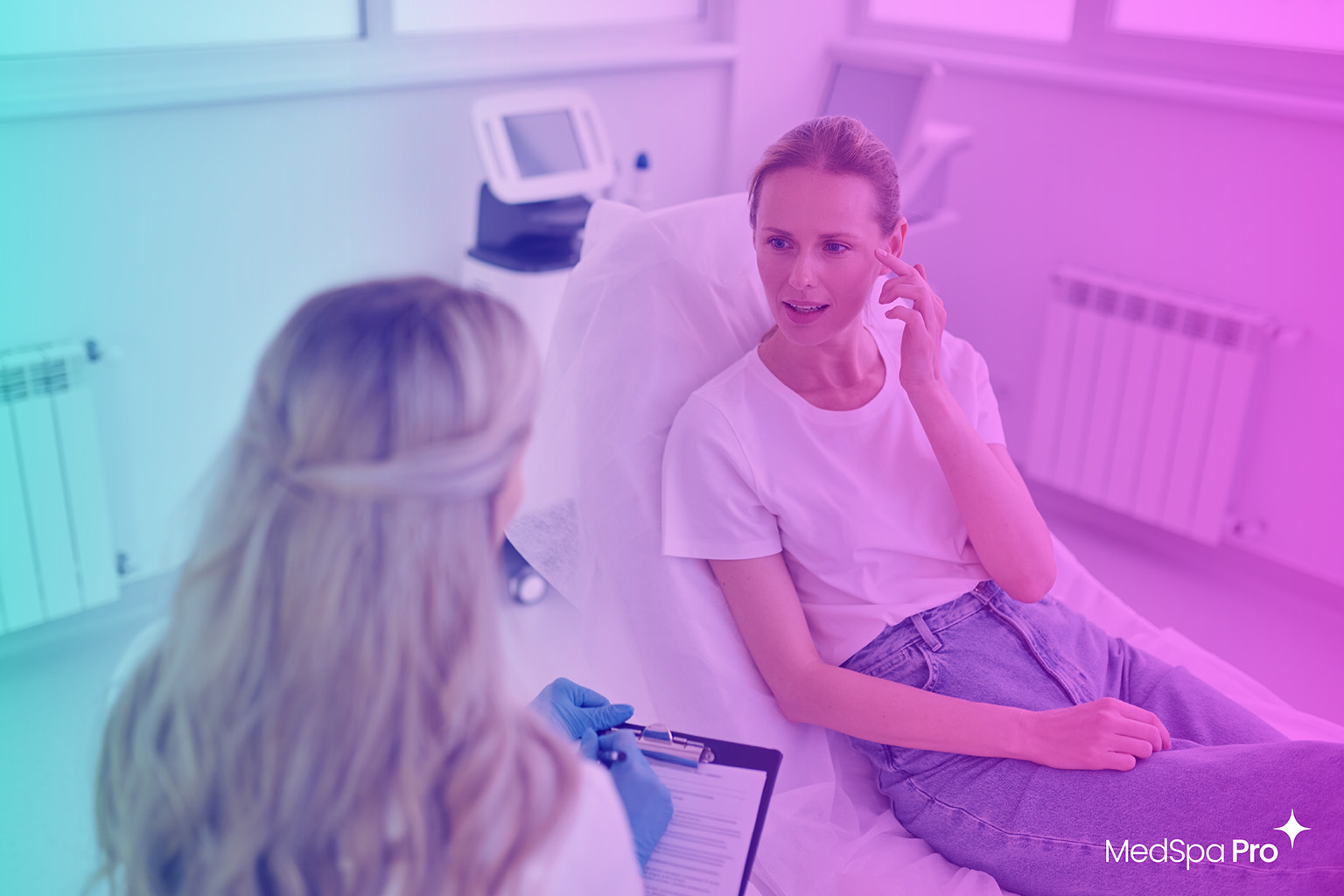
In the rapidly evolving world of modern aesthetics, many providers note that their patients appear to be better informed than ever before. Technological and scientific advances, strategic branding and marketing, and the ubiquity of social media have combined to keep consumers in the loop — a trend that significantly impacts aesthetic providers.
As patients become more sophisticated in their search for aesthetic treatments, clinicians are exploring new ways to guide them. Effective communication between healthcare providers and patients is crucial to ensuring patient satisfaction and achieving desired outcomes. Patients who feel heard and understood are more likely to adhere to treatment plans, achieve better results, and report higher levels of satisfaction.
Well-informed patients often contribute to better outcomes and report greater satisfaction with their care. Studies note that patients currently in their 20s and 30s are far more knowledgeable about aesthetic treatments than past generations. Many are more interested in prejuvenation — a proactive approach to aging that utilizes subtle interventions to preserve their current appearance overtime — than in dramatically altering the way they look.
Because so much patient information now occurs through social media, aesthetic professionals are increasingly incorporating these platforms into their communication strategies. Doing so allows them to engage with this patient population, clarify misconceptions, and provide accurate information about available options and appropriate treatment plans.
While trends, celebrities, and online influencers can shape consumer interest, well-informed patients are using the internet to explore the latest developments in health, science, and safety standards, as well as to evaluate providers’ credentials, testimonials, and before and after photos. Clinicians can engage more effectively with informed patients by understanding how they gather information:
Increased Online Research: Patients research providers online, compare pricing, and read reviews on platforms like Trustpilot and RealSelf, leading to more informed decisions.
Multi-Channel Touchpoints: Patients encounter clinics across various channels, including Instagram portfolios and website chatbots, enhancing their understanding of available services.
Patients who understand their health conditions and treatment options are typically more engaged in their care, and that engagement can enhance the overall quality of care delivered by aesthetic providers. Rather than dismissing the concerns and desires of well-informed patients, clinicians are choosing to meet them where they are — leveraging patient interest and knowledge to enhance the aesthetic experience.
“Patients are more educated than ever before,” observed Raj Chovatiya, MD, PhD. “While many patients still look to their dermatologist for the final answer, you are often dealing with someone who has done research in advance — or will do copious research after you have a discussion. While there are instances where this can prove challenging, on the whole, it’s great to see patients taking some degree of responsibility for their health.”
Dr. Chovatiya added that, as a strong advocate for modern shared decision-making, “this can be very helpful for me as I work through multiple treatment options and want the patient to engage with me.”
How can providers contribute to a more informed and empowered patient experience? Here are several strategies to consider:
Informed patients often come prepared with questions. Recognizing and supporting this can foster stronger collaboration and mutual understanding.
Elective cosmetic procedures are closely tied to identity, confidence, and self-esteem. Patients benefit from empathy and psychological safety as they navigate the emotional aspects of treatment.
Visibility into provider training, certifications, and professional affiliations builds trust. Highlighting board certifications, continuing education, and published research help convey credibility and authority.
Patients are increasingly seeking preventative treatments to maintain their features and support long-term skin health, reflecting a broader emphasis on wellness and proactive care.
Well-informed patients can be some of the most rewarding to treat — especially when providers are prepared to engage with them thoughtfully. Prioritizing patient-centered communication, aligning expectations, and acknowledging a patients’ thorough and proactive research can lead to stronger relationships, higher satisfaction and improved outcomes.
Sources: