
Maximizing profitability and growth in a medical spa demands a multi-faceted approach, bringing together core elements such as operational efficiency, client acquisition and retention, strategic pricing, and strategic marketing. Once these fundamentals are established, it’s important to focus on procedures that patients actively seek and that clinicians can deliver safely and confidently.
With the global medical aesthetics market projected to surpass $35 billion by 2030, med spas can chart a course for significant financial growth by focusing on these five revenue-driving procedures.
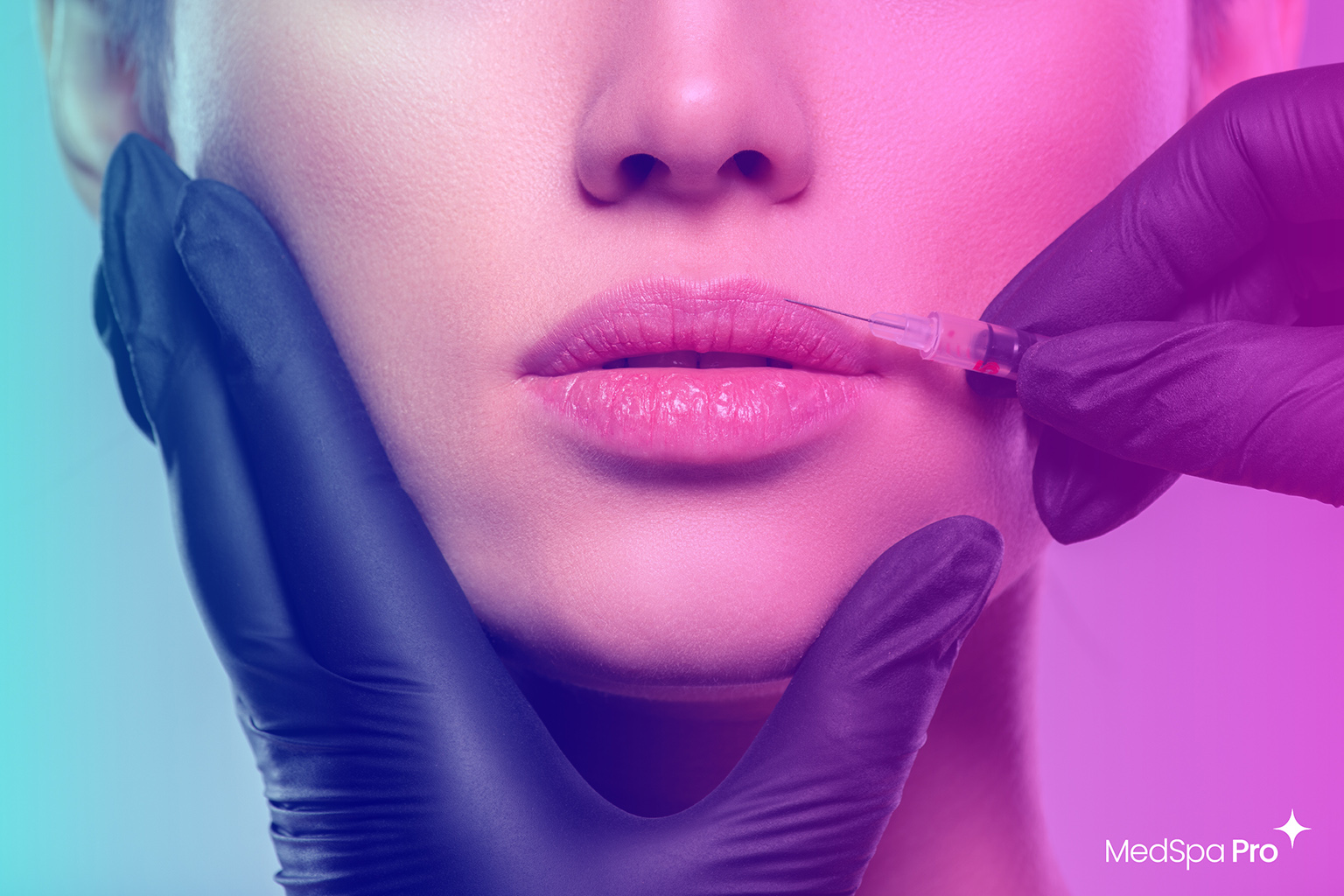
Driven by the “prejuvenation” trend favored by Gen Z and Millennial patients — and supported by strong demand from more established patient populations — injectables remain a cornerstone of aesthetic practice. These treatments continue to play a central role in preserving vitality and advanced signs of aging.
Injectables are increasingly being paired with energy-based treatments to enhance patient outcomes, particularly in cases of skin laxity following GLP-1–associated weight loss. The concept of “sandwiching” the skin uses injectables to stimulate collagen production beneath the skin while administering energy-based treatments to do the same from above. This dual approach creates a synergistic effect that can significantly enhance treatment results. An added advantage is versatility: the “sandwiching” method can be used to treat the face and neck as well as the lower extremities, making it especially relevant for post–GLP-1 patients seeking comprehensive skin solutions.
Laser therapy, ultrasound, cryotherapy, radiofrequency (RF), electromagnetic field technology (EMF), and electromagnetic muscle stimulation (EMS) have become essential tools for modern med spas. Ongoing advances in energy-based devices continue to expand their clinical applications and improve treatment efficiency.
Much of the current demand is driven by the need for more effective body sculpting and skin tightening solutions that can address the skin laxity resulting from GLP-1 therapies. Collaborative innovation in laser device technology has led to techniques that promise high efficacy levels and provide optimal results in a shorter amount of time with less pain, sometimes even combining multiple treatment modalities into one single device.
Body contouring procedures tend to be seasonal, with demand peaking in the spring as patients anticipate warmer weather and seek treatment to look and feel their best. This makes early-year planning an ideal time to promote services such as tummy tucks, body lifts, brachioplasties, and thigh lifts, alongside less invasive procedures including cryolipolysis, EMF, and RF-based treatments, and topical solutions like exosomes and peptides.
Noninvasive body contouring remains especially popular because of the lack of downtime and low incidence of side effects compared to traditional plastic surgery. That said, side effects ranging from pain or discomfort, redness and swelling, nerve damage, or even paradoxical adipose hyperplasia (PAH), in which fatty tissue grows instead of shrinking, may occur.
As aesthetic technologies advance and consumers become better informed, the demand for regenerative treatments continues to grow. Among the most popular regenerative therapies are platelet-rich plasma (PRP) and exosome-based therapies. PRP utilizes a patient's own blood to promote healing and rejuvenation, while exosome therapies rely on extracellular vesicles (EV) to stimulate regeneration from within.
Regenerative therapies are increasingly incorporated into hair loss restoration treatments, skin tightening, and rejuvenation, proving to be highly effective options. Their rise in popularity has been monumental and shows no sign of stopping, especially as technology continues to expand and treatments secure regulation and FDA approval.
Growing demand for minimally invasive cosmetic procedures has fueled the expansion of microneedling, with the global market projected to experience a 7.8% compound annual growth rate through 2031. As microneedling manufacturers introduce new products and technologies, microneedling continues to offer dermatologic professionals a versatile option for treating scars, hyperpigmentation, stretch marks, wrinkles, and cellulite.
While microneedling is known for its ability to improve skin texture and promote firming of the skin, the technique offers many other benefits, especially when used with topicals to enhance product delivery and treatment outcomes.
The success of any med spa depends on a wide range of factors, including a solid business plan, consistent patient demand, and a skilled, motivated team. By strategically incorporating these top revenue-driving procedures into patient care, clinicians can set up their med spa for maximum growth and profitability in an increasingly competitive marketplace.
Sources: